Most of us have walked into a room and forgotten why we went there. Forgotten someone's name. Misplaced our keys. Occasional forgetfulness is a normal part of being human. But what happens when memory difficulties become more frequent? When remembering appointments, managing finances, following conversations or completing everyday tasks starts to feel harder than it used to?
For people living with Dementia, Mild Cognitive Impairment, Parkinson's, Stroke and other neurological conditions, changes in memory and thinking can have a significant impact on daily life.
The good news is that while we cannot always stop cognitive changes from occurring, there are practical strategies that can help people maintain independence, confidence and participation in meaningful activities.
What are cognitive changes?
Cognition is a term used to describe the mental processes that allow us to think, learn, remember and make decisions.
Cognitive changes can affect:
Memory
Attention and concentration
Problem solving
Planning and organisation
Language and communication
Processing information
Not everyone experiences cognitive changes in the same way. For some people, the biggest challenge may be remembering appointments. For others, it may be following conversations, managing multiple tasks at once, or learning new information.
It's not always about memory
When people think about cognitive changes, memory is often the first thing that comes to mind. However, memory is only one part of cognition. For example, someone may remember information perfectly well but struggle to organise tasks or plan their day. Another person may find noisy environments overwhelming because concentrating on a conversation requires much more effort than it once did.
Understanding the specific challenges a person is experiencing is often the first step towards finding strategies that help.
Why do everyday tasks become harder?
Think about making a simple cup of tea. It sounds easy enough. Yet the task involves remembering what you are doing, locating items, sequencing steps, maintaining attention and recognising when the task is complete.
Many everyday activities rely on multiple cognitive skills working together. When one or more of these skills becomes less efficient, tasks that once felt automatic can require significantly more effort. This can be frustrating for both the individual and their family members.
Small changes can have a big impact
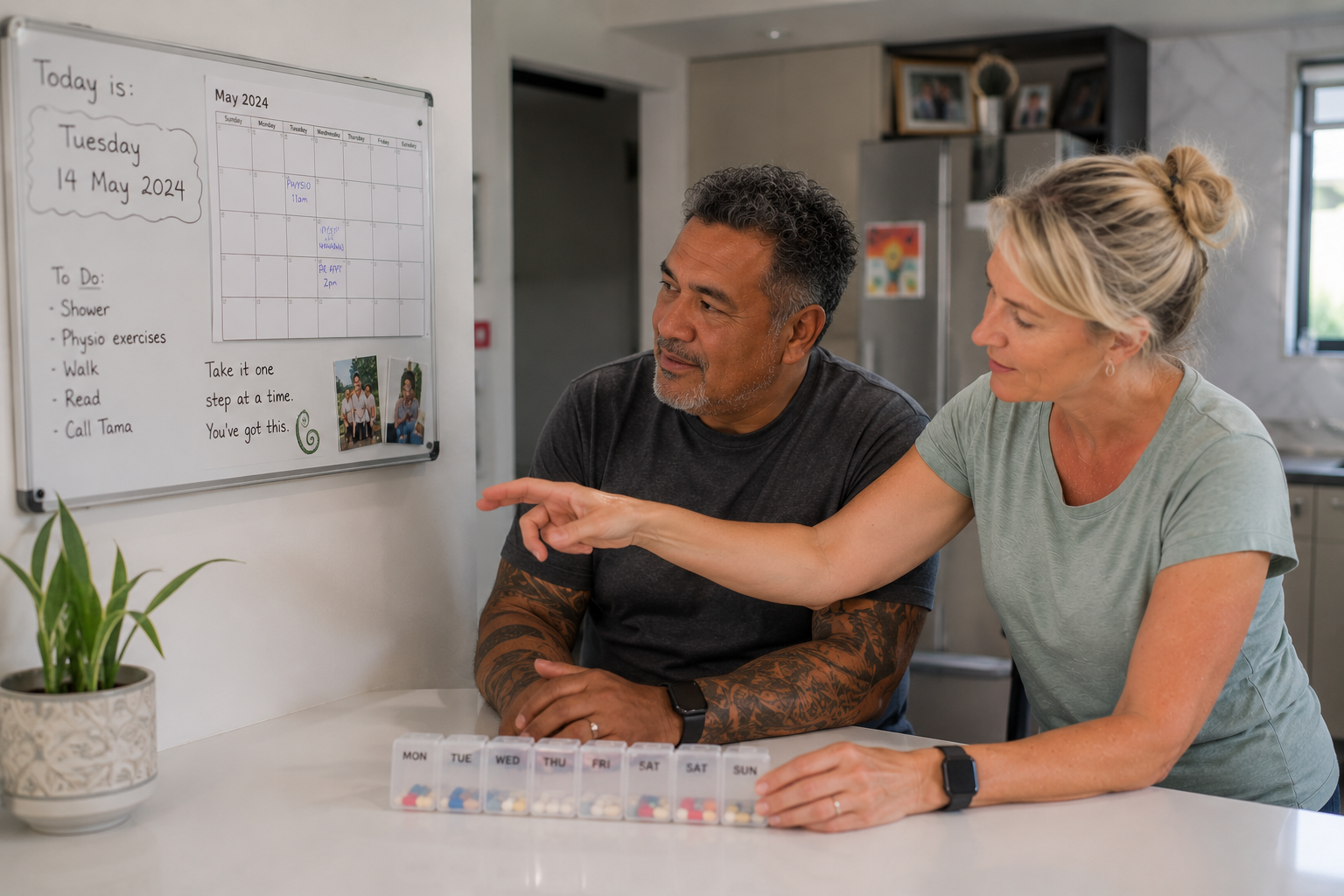
One common misconception is that people experiencing memory problems simply need to "try harder" to remember. In reality, practical supports and environmental changes are often far more effective.
Strategies may include:
Using calendars and diaries
Setting reminders on phones or devices
Establishing consistent daily routines
The goal is not to rely on memory alone. The goal is to create systems that support success.
How can Occupational Therapy help?
Occupational Therapists focus on helping people participate in the activities that are important to them. When cognitive changes are affecting daily life, an Occupational Therapist can work alongside the individual and their family to identify practical solutions.
This may include:
Assessing how cognitive changes are affecting everyday activities
Developing memory and organisational strategies
Establishing routines and habits
Recommending environmental modifications
Supporting safety and independence at home
Assisting with community participation
Providing education and support for family members
Importantly, Occupational Therapy focuses on the person's goals, strengths and abilities, rather than simply the diagnosis.
Supporting family members too
Cognitive changes rarely affect just one person. Partners, children and other family members are often adjusting alongside their loved one.
Many families tell us that one of the most difficult aspects is knowing how to help without taking over completely. Learning practical strategies, understanding cognitive changes and creating supportive environments can make a significant difference for everyone involved.
Focusing on what matters
While cognitive changes can create challenges, they do not define a person. Many people continue to enjoy meaningful activities, maintain important relationships and participate in their communities for many years. The key is often finding the right strategies and support at the right time.
At The Rehab Team, our Occupational Therapist supports people living with Dementia, Mild Cognitive Impairment, Parkinson's, Stroke and other neurological conditions throughout Tauranga, Papamoa, Mount Maunganui and the wider Bay of Plenty. We work alongside individuals and their families to develop practical strategies that support independence, confidence and participation in everyday life.
Book an appointment with The Rehab Team today - Here.
References:
Alzheimer's Association – Understanding Memory Loss and Cognitive Changeshttps://www.alz.org
Dementia New Zealand – Information and Support Resourceshttps://dementia.nz
World Health Organization (WHO) – Risk Reduction of Cognitive Decline and Dementiahttps://www.who.int
National Institute on Aging – Cognitive Health and Older Adultshttps://www.nia.nih.gov
Stroke Foundation – Cognitive Changes After Strokehttps://www.stroke.org.nz
Parkinson's Foundation – Cognitive Changes in Parkinson'shttps://www.parkinson.org
American Occupational Therapy Association (AOTA) guidance on cognitive rehabilitation and participation in daily activities.
The information in this article is intended for educational purposes and should not replace individual medical advice from a qualified healthcare professional.
Want to know more?
Have a look at The Rehab Team's other blogs here