
Neurological Occupational Therapy
Neurological Occupational Therapy Rehab in Tauranga, Papamoa & Mount Maunganui
About our Occupational Therapy service.
The Rehab Team is proud to provide expert Occupational Therapy support for people living with any diagnosis or condition that results in fatigue, cognitive challenges, difficulty focussing, executive planning and even guiding steps to return to previous roles such as work or studying.
Your rehabilitation is provided in the most important place possible — your home, workplace or school.
Many people we work with struggle with brain fog, mental fatigue, reduced concentration, memory difficulties, feeling overwhelmed by everyday tasks and difficulties managing work, study, parenting, or daily routines.
Our Occupational Therapy services focus on practical, individualised, real-world strategies to help people make pro-active steps to see improvements in their participation, daily function, and quality of life.

How can we help?
Occupational Therapists work in a broad range of settings, age ranges and diagnoses. Occupational Therapists are practical problem-solvers who help people navigate the real-life challenges that sit between health conditions and everyday life, improving confidence and function in everyday activities.
We have divided our Occupational Therapy services into four key pillars:
Brain Fog & Neurological Fatigue Rehabilitation
Support for people experiencing fatigue from any cause or diagnosis that is impacting their daily lives. Many people describe:
-feeling mentally exhausted after simple tasks
-difficulty thinking clearly
-”crashing” after activity
-feeling overwhelmed in busy environments
-reduced tolerance for work, study, or social interaction
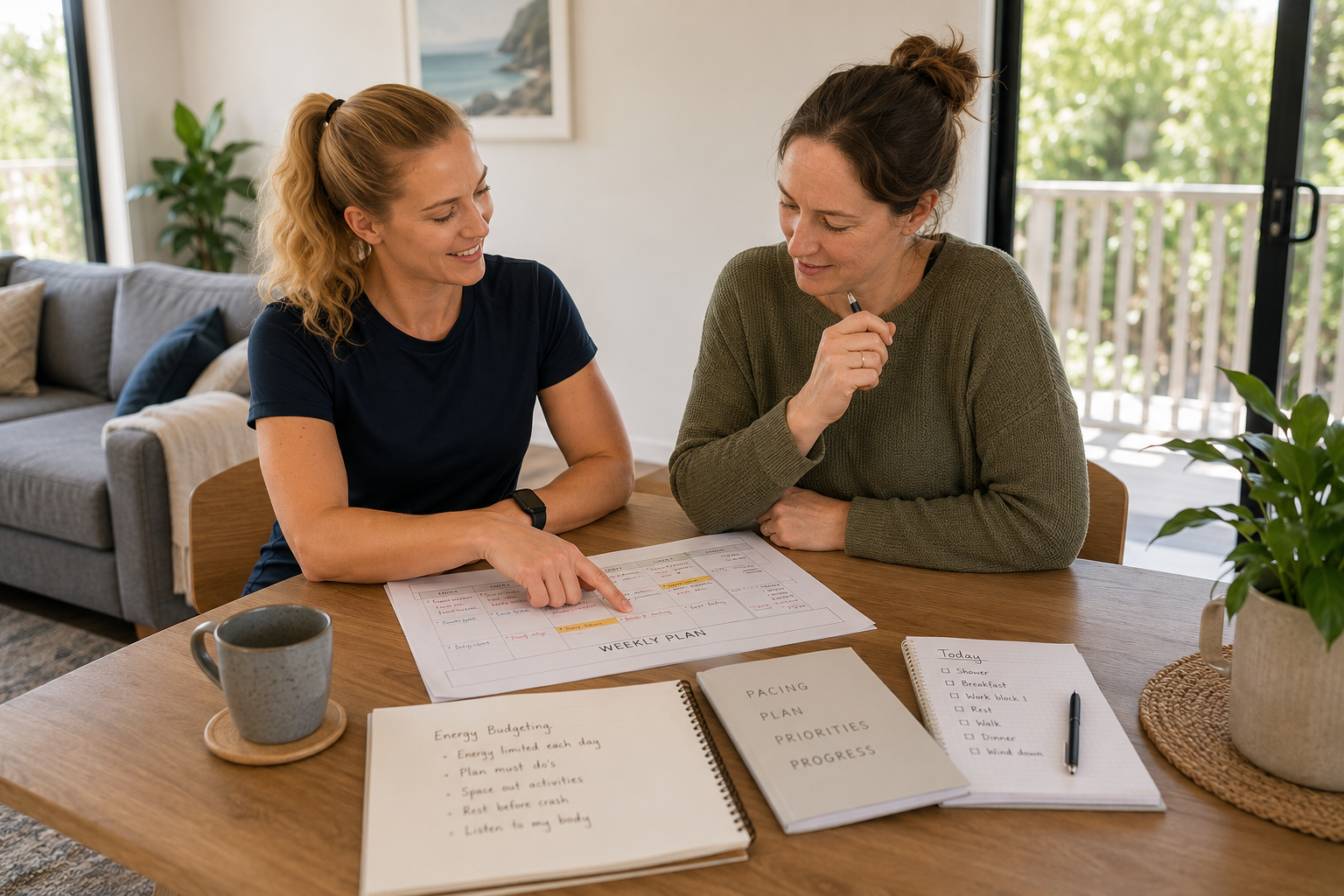
Treatment may include: Individualised fatigue management and pacing strategies, cognitive pacing, energy management, activity analysis, sustainable routine planning and return to work or study support
Conditions this can benefit: Long COVID, Myalgic Encephalomyelitis/Chronic Fatigue Syndrome and any diagnosis or neurological condition where fatigue is an issue. E.g. Stroke, Functional Neurological Disorder, Multiple Sclerosis.
Focus, Planning & Daily Routine Support
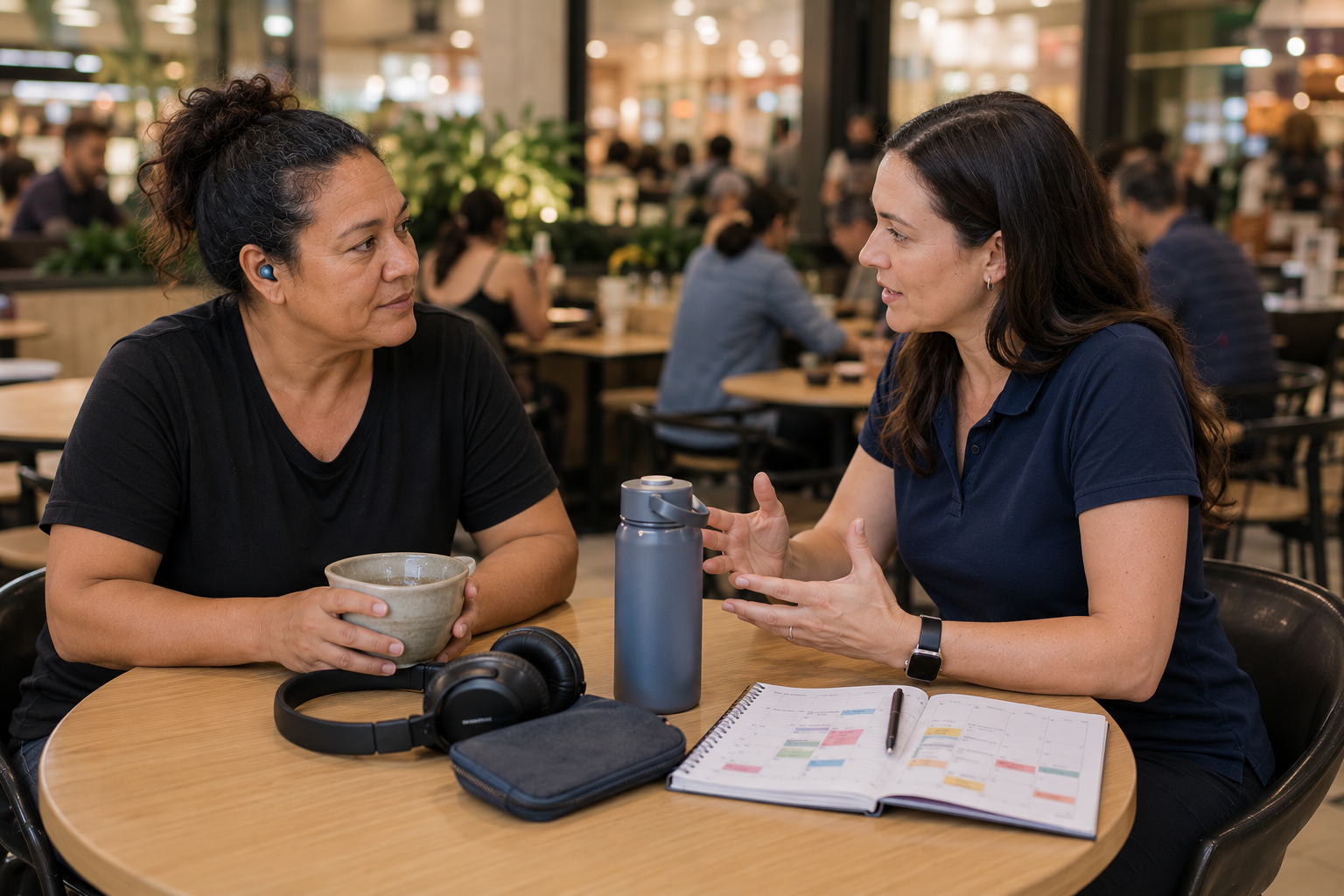
Support for people experiencing difficulties with concentration, organisation, routines, planning, task management, cognitive overload, and everyday functioning related to neurological, cognitive or Neurodiverse conditions. Many people we work with describe:
-difficulty staying organised
- feeling constantly overwhelmed
-forgetting important tasks or appointments
-struggling to start or complete tasks
-difficulty managing daily routines
-reduced ability to manage work or study demands
Treatment may include: Individualised routine and structure development, planning and organisation strategies, task management systems, environmental and sensory modifications, functional productivity support or cognitive fatigue management.
Conditions this can benefit: Attention Deficit Hyperactivity Disorder (ADHD), Autism spectrum disorder and any neurological or chronic medical conditions.
Memory & Cognitive Function Support
Support for people experiencing memory changes, reduced recall, cognitive decline, or difficulties managing everyday tasks due to any diagnosis impacting cognition.
Cognition (our thinking brain) is the mental process of acquiring, processing, storing and using information in our brains. It encompasses all conscious and unconscious intellectual activities, including thinking, learning, remembering, paying attention, and making decisions.
This service is designed for people recently diagnosed with dementia or a cognitive impairment that are after practical, individualised strategies they can use to help maintain independence, confidence, participation, and quality of life for as long as possible.
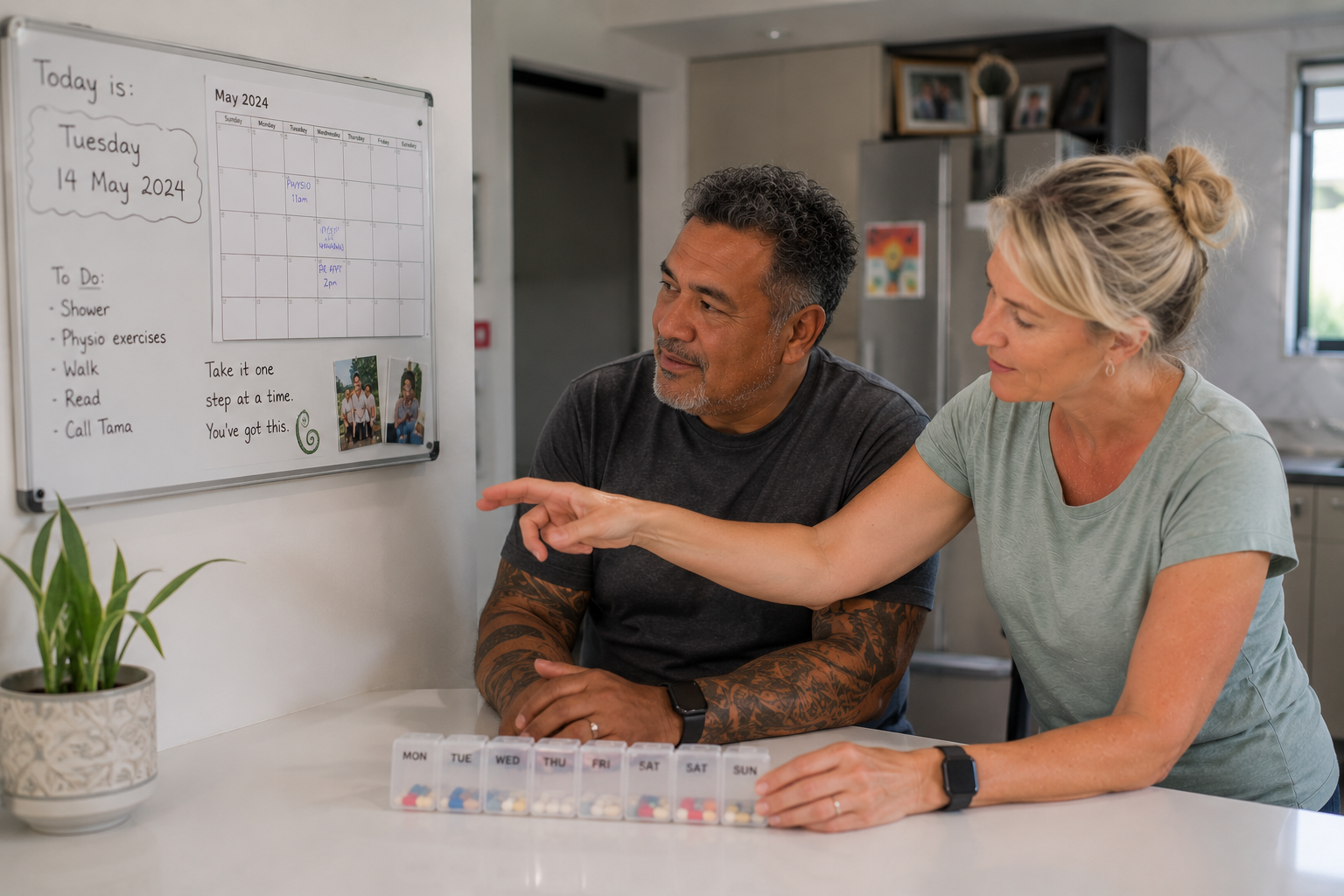
Treatment may include: Assessment and tracking of cognitive functioning, individualised memory systems and strategies, daily routines, environmental supports, caregiver education, strategies and support.
Conditions this can benefit: Mild cognitive impairments, Dementia, Alzheimer's disease or any neurological condition that results in changes to your memory or cognition. E.g Parkinson’s, Stroke, Functional Neurological Disorder.
Return to Work or School & Participation Rehabilitation
Support to safely and sustainably return to work, school, study, parenting, exercise, hobbies, and community life following a recent diagnosis or injury.
Sometimes people are physically able to return to activity but continue to struggle with ongoing symptoms. This is where The Rehab Team can help.
Rehabilitaiton may include: graded return to work planning, cognitive endurance strategies, workplace or study modifications, participation rehabilitation and community reintegration.
Conditions this can benefit: Long COVID, Myalgic Encephalomyelitis/Chronic Fatigue Syndrome, Stroke, Persistent Postural-Perceptual Dizziness, Functional Neurological Disorder and any diagosis not funded by ACC that requires assistance in returning to work or previous activities..

What is Occupational Therapy?
Occupational Therapists (OTs) are university trained, registered health professionals that are specialists in helping people improve their ability to manage everyday life activities when injury, illness, neurological conditions, fatigue, cognition, or sensory difficulties are affecting function.
“Occupation” does not just mean work. In Occupational Therapy, occupation refers to the activities that fill our daily lives and give us meaning and purpose.
This may include:
work or study
parenting
household tasks
exercise and hobbies
community activities
socialising
routines and organisation
managing fatigue and energy levels
concentration and memory
returning to meaningful activities after illness or injury

Neurological Occupational Therapy focuses on helping people improve participation in these activities when the brain or nervous system is not functioning efficiently.
Treatment is practical, individualised, and focused on helping people function more consistently and confidently in everyday life.