Neurological Physiotherapy
Neurological Rehabilitation in Tauranga, Papamoa & Mount Maunganui
About our Neurological Physio service.
Has a neurological condition or injury changed the way you move, walk, balance or manage everyday activities?
Neurological physiotherapy focuses on how changes to the brain, spinal cord and nervous system can affect movement and physical function.
At The Rehab Team, our physiotherapists work with people living with a wide range of neurological conditions and injuries. We take the time to understand what is making movement or physical activity difficult for you, what you want to achieve and how rehabilitation can help you work towards those goals.
Neurological rehabilitation is what we do every day.
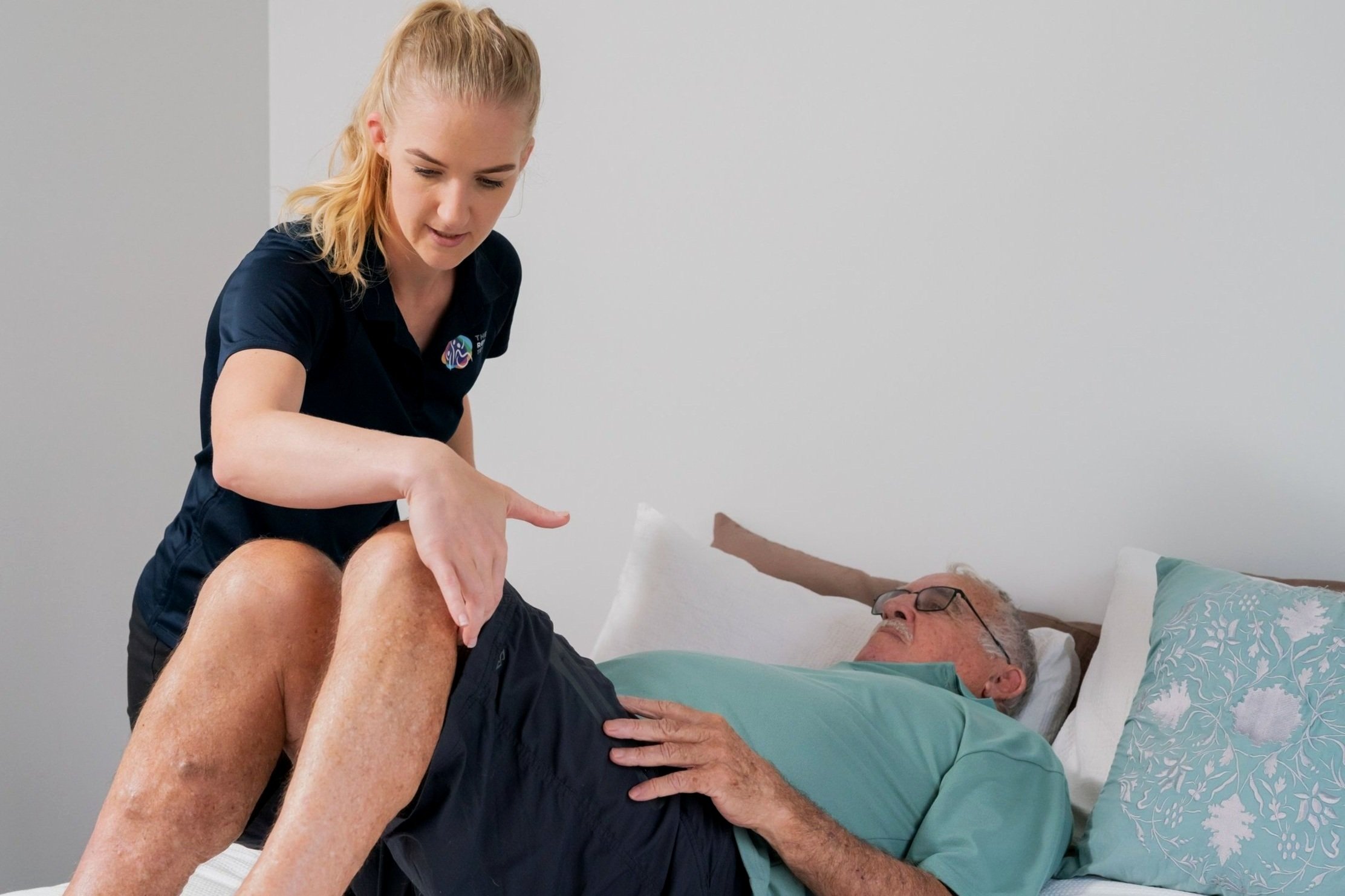
We provide in-home neurological physiotherapy throughout Tauranga, Papamoa and Mount Maunganui, with online appointments available throughout New Zealand where appropriate.

Neurological physiotherapy is a specific area of physiotherapy focused on how conditions affecting the brain, spinal cord and nervous system can change the way you move and function.
Unlike general physiotherapy, which often focuses on problems involving muscles, joints or a specific area of the body, neurological physiotherapy considers how the nervous system and the whole body work together to produce movement and function.
A neurological physiotherapist may consider:
Strength and muscle control
Sensation and proprioception
Balance
Coordination of movement
Vision
The vestibular system
Movement planning and control
Physical capacity and fatigue
How these systems work together during everyday activities
This means we don't just look at what movement is difficult. We also consider why it is difficult and which factors may be contributing.
What is Neurological physiotherapy?

How can neurological physiotherapy help?
Neurological conditions can affect movement and physical function in many different ways. Your physiotherapy programme will be tailored to your condition, abilities, symptoms and goals.
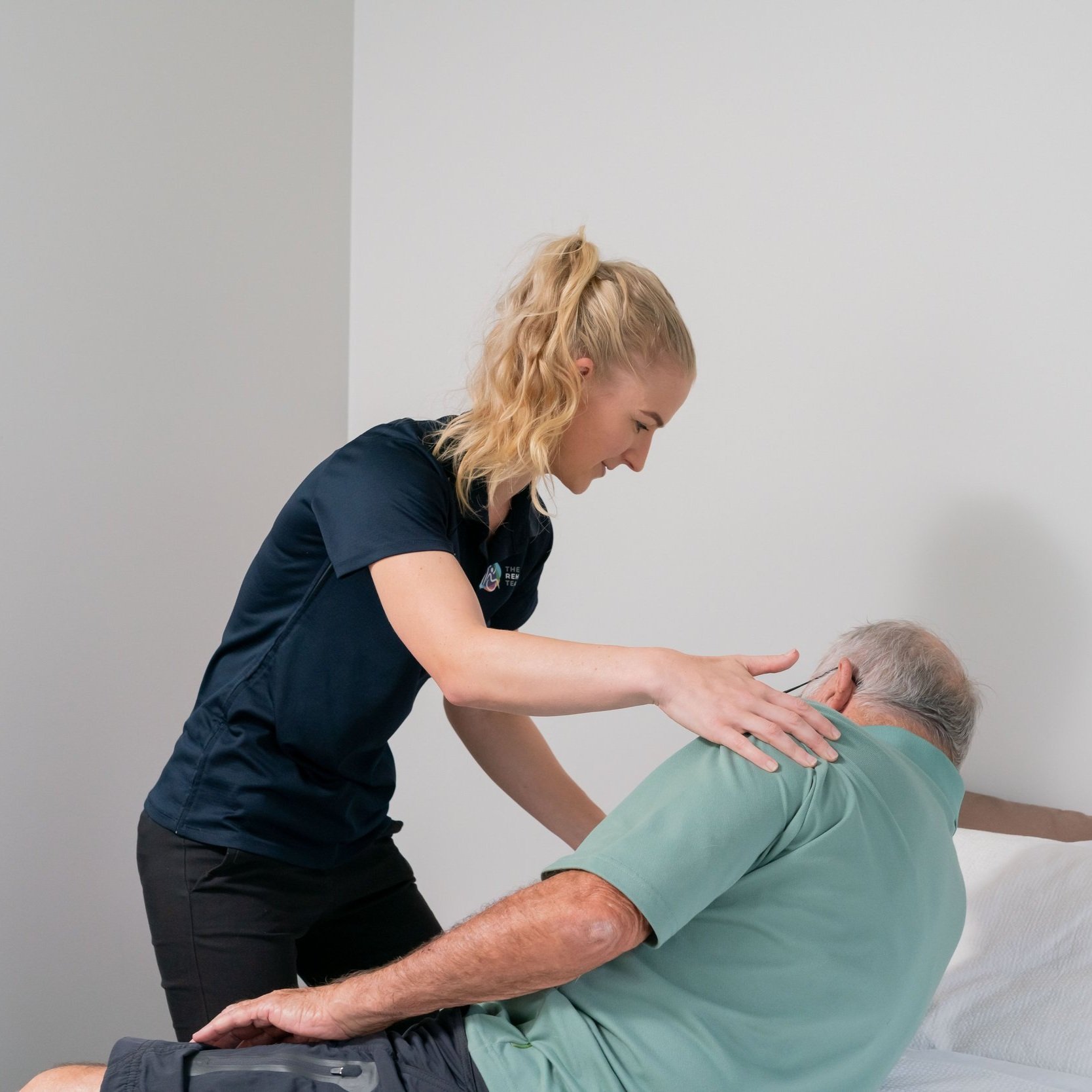
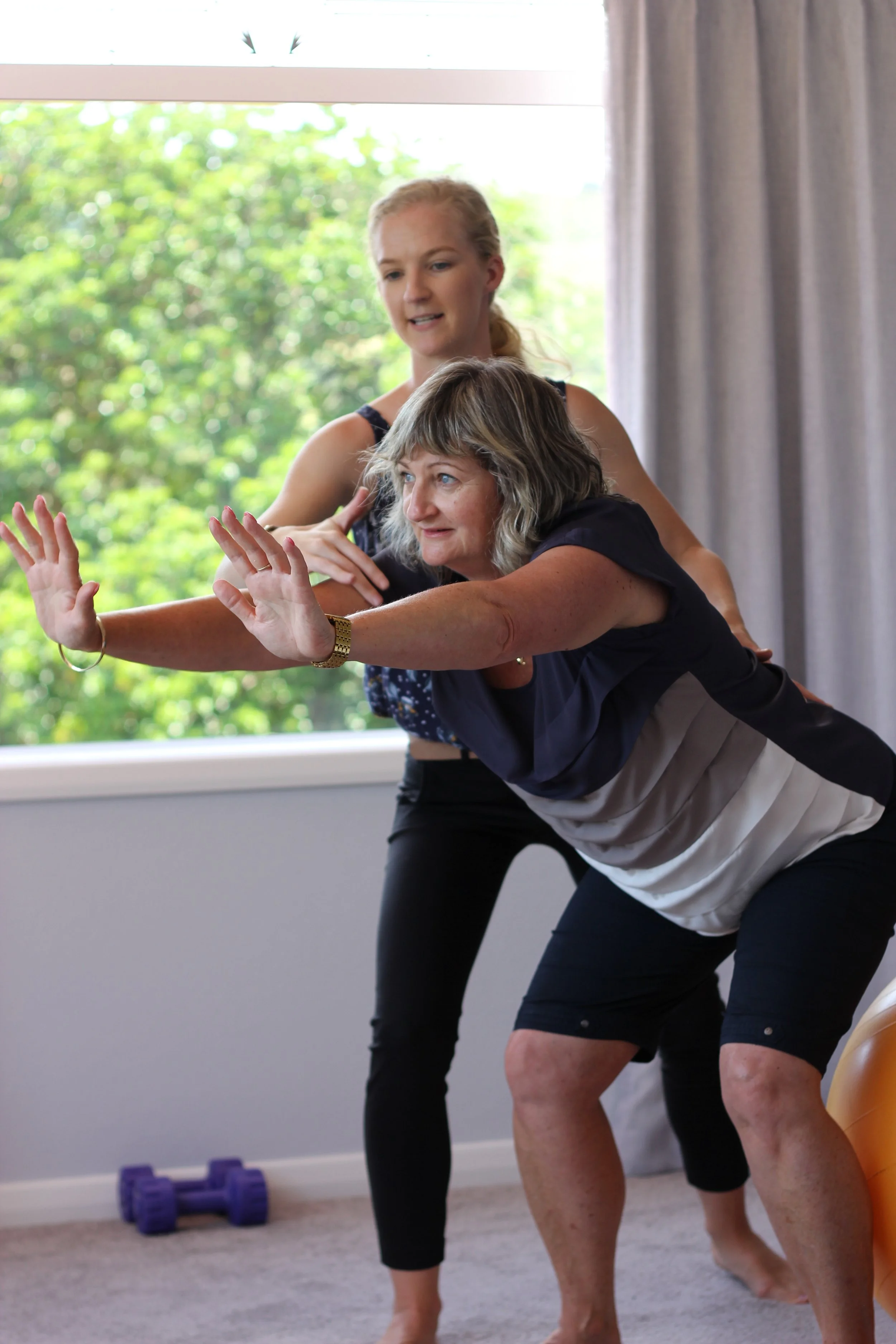
Movement & mobility: Practise meaningful movements and everyday activities, including getting in and out of a chair or bed, walking and moving around your home and community.
Balance & falls: Work on balance, confidence and safe mobility by addressing the different factors that contribute to balance and movement.
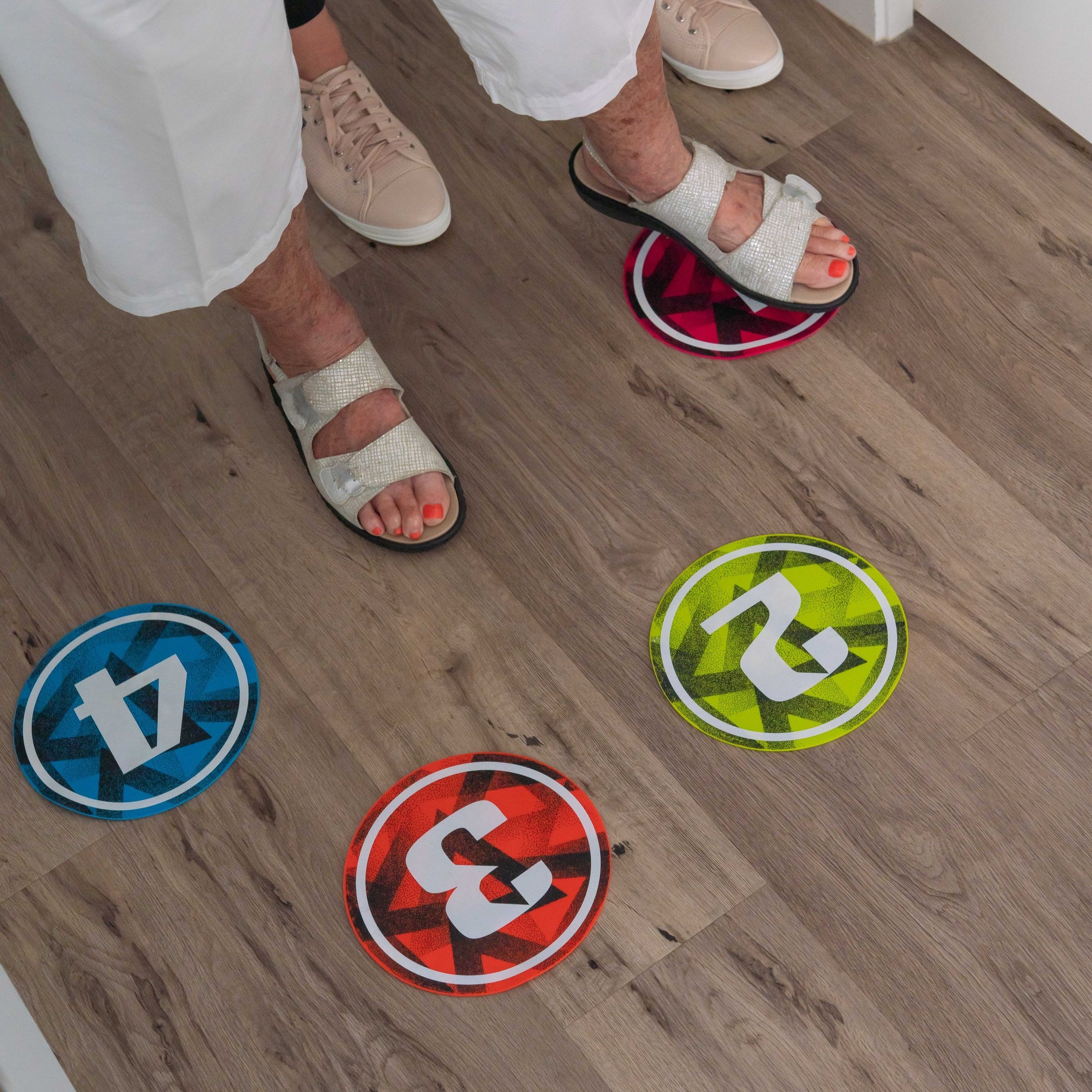
Integrating different systems: Movement and balance rely on the brain bringing together information from vision, the vestibular system, sensation, proprioception, strength and movement. Neurological conditions can affect how these systems work together. Physiotherapy can help you practise integrating this information during movement and everyday activities.
Strength & physical capacity: Build or maintain strength and physical capacity where appropriate. Exercise is an important part of rehabilitation for many neurological conditions, but it needs to be matched to your abilities, symptoms, medical considerations and goals.
Coordination & movement control: Work on the timing, accuracy and control of movement through repeated, meaningful practice and strategies tailored to the activities that matter to you.
Dizziness & vestibular symptoms: Where appropriate, assess and address vestibular and movement-related factors contributing to dizziness and balance difficulties. This may include vestibular rehabilitation.
Learn more about Dizziness, Vertigo & Balance - HERE
Functional rehabilitation: Practise activities that are important in your everyday life, rather than focusing only on individual exercises. This may include transfers, standing up or sitting down, moving around your home, getting out into the community or participating in activities you enjoy.
Education & self-management: Understand your symptoms and learn strategies that can help you manage your condition and continue your rehabilitation between appointments.

Neurological physiotherapy at different stages
Physiotherapy can be useful at different points in your neurological journey. You may benefit from rehabilitation when you are:
Adjusting to a new diagnosis and wanting to discuss next steps
Recovering following a neurological injury - such as a concussion
Experiencing a change in your symptoms or function
Working to maintain your current abilities
Wanting to improve physical capacity or confidence
Returning to activities, exercise or work
Living with a long-term or progressive neurological condition. For people living with progressive neurological conditions, physiotherapy may focus on maintaining movement and physical function, adapting activities, managing falls risk and supporting safe participation as needs change.
Your goals may change over time, and your rehabilitation can change with them.
Conditions we commonly work with
Our neurological physiotherapists work with a wide range of neurological conditions, including:
Parkinson's disease & Parkinsonism
Stroke
Multiple Sclerosis
Functional Neurological Disorder (FND)
POTS & Dysautonomia
Concussion & Brain Injury
Dizziness, Vertigo & Vestibular Conditions
Facial Nerve Palsy
Ataxia
Dystonia
MND & Neuromuscular Conditions
This isn't a complete list. If you have a neurological condition that isn't listed here, please reach out to discuss whether we can help.