So you have been diagnosed with a concussion by your GP, local Hospital ED or Specialist and would like to know what you can do to help with your recovery. Kaitlin, Neurological Physiotherapist from The Rehab Team discusses the basics of what you need to know and what you can do to help ensure a smooth recovery.
What is a concussion?
A concussion is a form of mild traumatic brain injury that occurs when the brain experiences a sudden movement or force. This may happen due to a direct blow to the head, a fall, a sports injury or sudden acceleration or deceleration of the head (such as in a car accident).
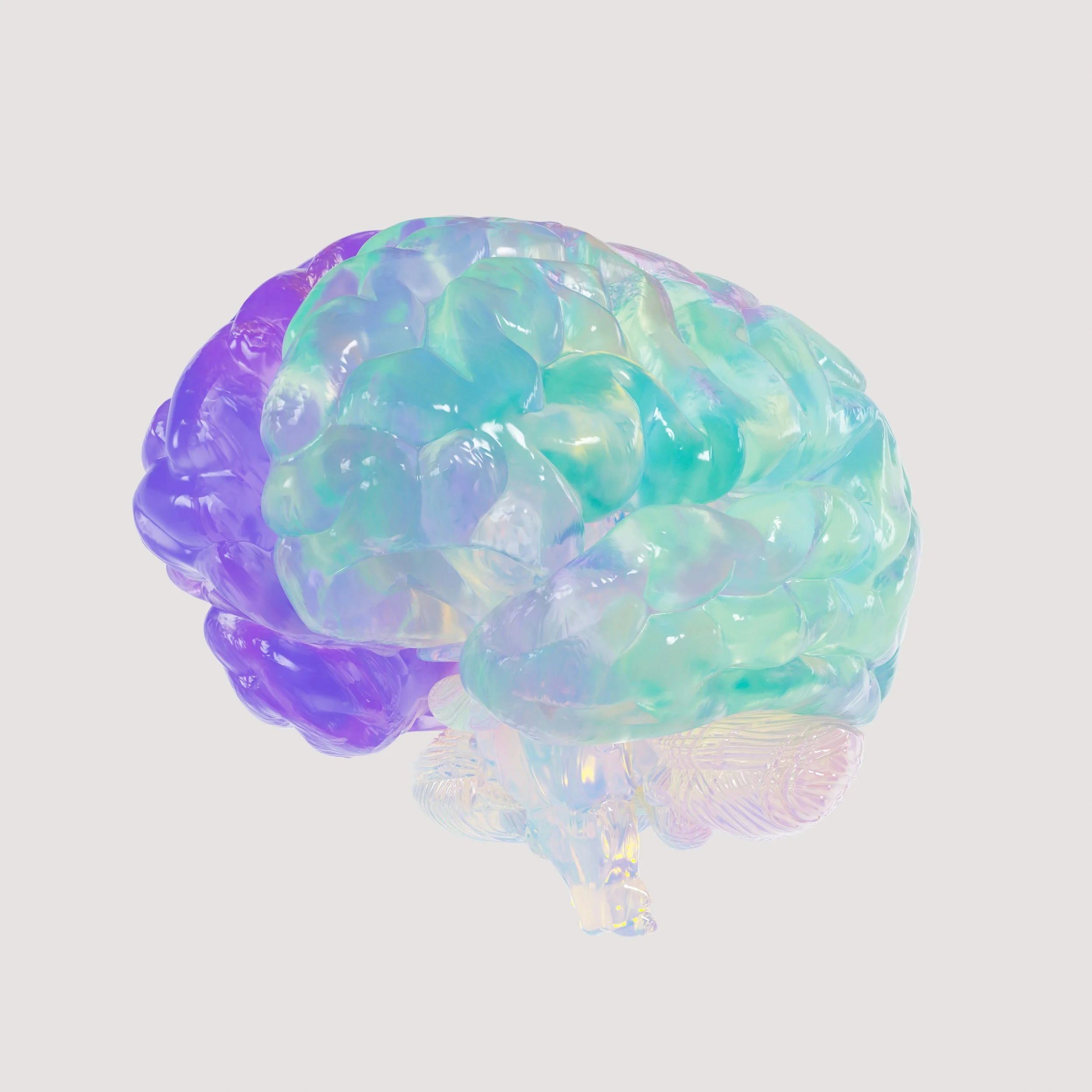
During a concussion, the brain moves quickly within the skull. This movement can temporarily disrupt how brain cells function and communicate with each other.
Importantly, most concussions do not cause structural damage to the brain that can be seen on scans such as CT or MRI. Instead, the injury affects how the brain functions for a period of time.
What happens in the brain ? - The neurometabolic cascade:
There is often a misconception that the brain is damaged or bruised following a concussion. This is not trues. Following a concussion, the brain goes through a series of temporary changes known as the neurometabolic cascade.
While this term sounds complex, it simply describes the chemical and energy changes that occur in brain cells after the injury.
Immediately after a concussion:
Brain cells release large amounts of neurotransmitters, which disrupts normal signalling between cells.
Ions such as potassium and calcium shift across the cell membrane, creating an imbalance that the brain must correct.
To restore this balance, brain cells require more energy (glucose) than usual.
At the same time, the brain may experience reduced blood flow, meaning less energy is available.
This creates a temporary “energy mismatch” in the brain, where the brain needs more energy but has reduced ability to supply it.
During this recovery phase, the brain can be more sensitive to physical or cognitive stress, which is why symptoms such as headache, dizziness and fatigue often occur. As the brain gradually restores normal balance, symptoms improve.
How long does concussion recovery usually take?
One of the most common questions people have after a concussion is “How long will it take to recover?”. The reassuring news is that the majority of concussions resolve relatively quickly.
Research suggests that:
Most adults recover within 10–14 days
Most children and adolescents recover within 2–4 weeks
During this time, symptoms gradually settle as the brain recovers from the injury.
However, a smaller percentage of people may experience symptoms that last longer. When symptoms continue beyond the expected recovery timeframe, further assessment can help identify the factors contributing to ongoing symptoms and guide rehabilitation.
The first few days after a concussion
In the first 24–48 hours after a concussion, it is generally recommended to allow the brain some time to rest and recover.
This involves:
Reducing screen time
Limiting demanding cognitive tasks
Avoiding intense physical activity and completing too many social activites
Prioritising sleep and hydration
Current concussion guidelines no longer recommend complete rest for long periods. Gradually returning to light activity is usually beneficial for recovery.
Gradual return to activity
After the first couple of days, most people benefit from gentle and gradual reintroduction of activity.
This may include:
Light walking
Gentle household tasks
Short periods of reading or screen use
Gradual return to work or study
The key principle is pacing. Activities should increase slowly while avoiding a significant worsening of symptoms. Some mild symptom increase can occur with activity, but symptoms should settle again with rest.
Every concussion is different
One of the most important concepts in modern concussion care is that not all concussions are the same. The symptoms you experience are different to others. Symptoms often arise from different systems in the body. These are sometimes referred to as concussion “domains” or “phenotypes.”
For example, symptoms may be related to:
The vestibular (balance) system
Vision and eye movement control
Neck function
The autonomic nervous system
Cognitive or emotional factors
Many people experience symptoms across more than one domain, which is why a comprehensive assessment can be helpful if recovery is slower than expected.
When should you seek further help?
While most people recover well within the first few weeks, it may be helpful to seek further advice if:
Symptoms persist beyond 2–4 weeks
Dizziness or balance problems are ongoing
Symptoms are interfering with work, school or sport
You feel unable to progress activity levels
Assessment can help identify which systems may still be contributing to symptoms.
At The Rehab Team, our Neurological Physiotherapists provide assessment and rehabilitation for people experiencing dizziness, balance problems and visual symptoms following concussion.
As a mobile physiotherapy service, we provide treatment in the comfort of your own home throughout Tauranga, Mount Maunganui and Papamoa.
If you are experiencing ongoing symptoms following a concussion, our team would be happy to discuss whether physiotherapy may help support your recovery - Here.
Want to know more?
Link to our other blog posts.